
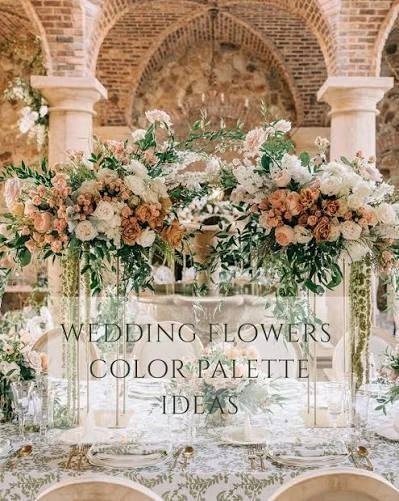
Choosing your wedding flowers is about more than picking flowers that look pretty. The colours you choose can shape the entire feeling of your wedding. They can make a space feel romantic, fresh, elegant, warm, modern, or even a little dramatic.
For couples planning a wedding in the Lower Mainland, there are plenty of beautiful colour combinations to consider. From soft blush and white to deeper seasonal tones, your flower palette can work with your venue, wedding attire, season, and personal style.
A good floral colour palette should feel natural throughout the day. Your bouquet, ceremony flowers, centrepieces, and other arrangements do not need to look exactly the same, but they should feel connected.
If you are working with a wedding florist in the Lower Mainland, sharing your preferred colours early can also make the design process much easier. Your florist can help you choose flowers that create the look you want while considering seasonal availability and the overall style of your wedding.
Here are some wedding flower colour palette ideas to consider:
Classic White and Green
White and green is one of those combinations that never really goes out of style. It works beautifully for elegant weddings, garden celebrations, and modern venues.
White roses, hydrangeas, lisianthus, or other seasonal white blooms can be paired with greenery for a fresh and natural appearance. The simplicity of this palette also allows your venue, wedding dress, and other details to stand out.
This is a particularly good choice if you want your flowers to feel timeless rather than strongly tied to a particular trend.
You can also change the feeling of this palette through the greenery you choose. Soft, delicate foliage can create a romantic look, while fuller greenery can make the arrangements feel lush and natural.
Blush, White, and Greenery
If you want something soft and romantic, blush is a beautiful addition to white flowers.
Blush tones can range from very pale pink to warmer dusty shades. When paired with white blooms and greenery, they create a gentle palette that works well for both indoor and outdoor weddings.
This combination is especially lovely for bridal bouquets and reception centrepieces because it adds colour without becoming too strong.
It also photographs beautifully against many types of wedding décor.
Soft Pastels for a Romantic Celebration
Pastel flowers can bring a light and cheerful feeling to your wedding. Think soft pink, lavender, peach, pale blue, cream, and gentle yellow.
The key is not to use too many colours without a plan. Choose two or three main shades and allow your florist to bring in smaller amounts of other complementary colours.
For example, soft peach, blush, and cream can create a warm romantic palette. Lavender, pale pink, and white can feel more delicate and elegant.
Pastels work particularly well for spring and summer weddings, although the right flower choices can make them suitable for other seasons too.
Warm Neutrals and Taupes
Not every wedding needs a traditional pink or white colour scheme.
Warm neutrals can create a sophisticated and relaxed look. Cream, beige, taupe, soft brown, peach, and muted blush can work together beautifully, especially when combined with natural foliage.
This palette can be a great choice for couples who prefer understated elegance.
It also works well with wood details, neutral table linens, candles, and venues with natural textures.
Bold and Bright Wedding Flowers
Some couples want their flowers to make a statement. If that sounds like you, consider using brighter colours instead of keeping everything soft and neutral.
Bright pink, coral, orange, yellow, purple, and red can be combined to create lively and memorable arrangements.
The trick is balance. You do not necessarily need every bright colour in every arrangement. A florist can use stronger colours as accents while keeping the rest of the design balanced.
For example, a mostly soft arrangement with a few vibrant blooms can create a focal point without making the space feel too busy.
Romantic Moody Colours
For an evening wedding or a more dramatic style, deeper colours can create a beautiful atmosphere.
Think burgundy, deep red, plum, mauve, dusty rose, and rich greenery. These colours can add warmth and depth to bouquets, ceremony arrangements, and reception tables.
Moody floral palettes are particularly effective when combined with candlelight, darker linens, elegant table settings, or venues with a more intimate atmosphere.
You can also soften the darker colours with cream or blush flowers so the overall design does not feel too heavy.
Blue and White for a Fresh Look
Blue can be a wonderful choice for couples who want something a little different.
Blue and white flowers can create a clean and calming look. Soft blue tones can feel especially fresh for a spring or summer wedding.
Since naturally blue flowers can have limited availability, your florist can help you explore seasonal options that provide a similar appearance.
You can also introduce blue through ribbons, table details, linens, or other décor while allowing the flowers to stay mostly white and green.
Peach and Coral for a Warm Celebration
Peach and coral are great options if you want your wedding flowers to feel warm and cheerful.
These colours work well with cream, blush, white, and greenery. They can create a relaxed look for an outdoor wedding while still feeling polished enough for a formal celebration.
A peach and coral bouquet can also add a beautiful touch of colour against a white wedding dress.
Deep Red and Soft Pink
Red does not always have to mean a traditional romantic wedding.
Combining deep red flowers with soft pink and cream can create a more modern and balanced look. The darker red provides contrast, while the lighter shades keep the arrangement soft.
This can be a lovely option for autumn or winter weddings, although it can work at any time of year when the right flowers are available.
Let Your Venue Help Choose the Palette
Your wedding venue should be part of your colour decision.
Look at the walls, flooring, furniture, curtains, lighting, and existing décor. If your venue already has strong colours, your flowers should complement them rather than compete with them.
For example, a bright floral arrangement may look beautiful in a simple neutral space. In a venue that already has a lot of colour and decoration, a more restrained floral palette may work better.
If you are still deciding on your setting, explore our wedding venues in Maple Ridge guide for ideas on choosing a venue that works beautifully with your wedding style and floral vision.
Outdoor weddings offer another opportunity. The natural surroundings can become part of your colour story.
A garden venue may work beautifully with soft pastels and greenery. A rustic venue can suit warm neutrals and earthy tones. A modern venue may look striking with white flowers and a simple green palette.
Think About the Season
The time of year can also influence your wedding flower colours.
Spring often works well with soft pastels, blush, peach, lavender, and fresh greens.
Summer allows for everything from light and airy whites to bold and colourful flowers.
Autumn is a natural fit for warm neutrals, terracotta, burgundy, rust, deep pink, and plum.
Winter weddings can look beautiful with white, cream, deep red, burgundy, greenery, and muted neutral tones.
This does not mean you have to follow seasonal rules. Your wedding should reflect your taste first. However, choosing flowers and colours that work naturally with the season can make the overall design feel more cohesive.
Consider Your Wedding Dress and Bridesmaid Colours
Your flowers should also work with the people carrying and wearing them.
Think about how your bridal bouquet will look against your wedding dress. If your dress is bright white, soft cream flowers can create warmth. If your dress has warmer ivory tones, bright white flowers may provide a subtle contrast.
Bridesmaid dresses are another important consideration.
You do not need to match the flowers exactly to the dresses. In many cases, using flowers in complementary shades creates a more interesting look.
For example, dusty rose dresses can work beautifully with cream, blush, white, and soft greenery.
Your Florist Can Help Bring It All Together
Choosing colours can be one of the most enjoyable parts of planning your wedding, but it can also become confusing when you start looking at hundreds of flower varieties.
This is where working with a professional wedding florist in the Lower Mainland can make the process easier.
A florist can take your preferred colours and turn them into a complete floral design. They can also help you understand which flowers are available during your wedding season and suggest alternatives when a specific bloom is not available.
At Blooms and Bars, floral designs are created around the mood and style of each celebration, with colour palettes ranging from classic white and blush to soft pastels, bold tones, romantic moody colours, and warm neutrals.
The goal is not simply to choose a colour and fill every arrangement with it. It is about creating balance between colour, texture, flower shape, greenery, and the setting.
Keep Your Colour Palette Simple
One of the easiest ways to keep wedding flowers looking polished is to avoid making the colour palette too complicated.
Start with one or two main colours. Then choose one or two supporting shades. From there, your florist can add natural variations through different flowers and foliage.
Remember that flowers are not always available in one exact shade. A blush rose may look slightly different from a blush peony, for example. These small variations can actually make an arrangement feel more natural.
Your wedding flowers do not need to look perfectly matched. They simply need to work well together.
The Blossoming Conclusion?
Your wedding flower colour palette should reflect the feeling you want your wedding to have.
Maybe you want something soft and romantic with blush and white. Maybe you prefer timeless white and greenery. Perhaps you want warm neutrals, bright seasonal colours, or deep romantic tones.
There is no single right palette for a Lower Mainland wedding.
Start with the colours you naturally love, consider your venue and season, and think about how the flowers will look alongside your dress, bridesmaid attire, and wedding décor. Then let your florist help turn those ideas into a floral design that feels cohesive and personal.
The best wedding flowers are not simply the ones that look beautiful on their own. They are the ones that make the entire celebration feel like yours.