
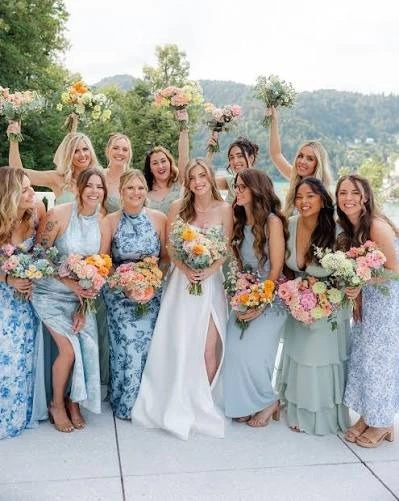
Planning your wedding flowers can be one of the most enjoyable parts of preparing for your big day. You get to think about colours, bouquets, ceremony flowers, table arrangements, and all the little details that make your celebration feel personal.
But there is also an important question that many couples ask: when should you actually book your florist?
Waiting too long can make flower planning more stressful. Your preferred florist may already be booked, certain flowers may not be available, and there may not be enough time to make changes to your design.
A clear floral timeline can make the whole process much easier. Whether you are planning a small celebration or a large wedding, knowing what to do and when to do it helps you stay organized.
If you are working with a wedding florist in Fraser Valley, here is a simple timeline to help you plan your wedding flowers from the first conversation to the final details.
12 to 18 Months Before Your Wedding: Start Thinking About Flowers
You do not need to have every floral detail decided at this stage. This is simply the time to start thinking about the overall look you want.
Begin by collecting ideas for:
- Bridal bouquets
- Bridesmaid bouquets
- Boutonnieres
- Corsages
- Ceremony flowers
- Reception centrepieces
- Floral arches
- Head table flowers
- Cake flowers
- Welcome table arrangements
Think about the feeling you want your wedding to have. Do you picture something soft and romantic? Maybe you prefer a garden inspired look with lots of greenery. You may also want something modern, simple, and elegant.
Your venue can help guide these decisions. A large ballroom may need fuller floral designs, while an outdoor garden venue may already provide a beautiful natural setting.
At this stage, focus more on your vision than the exact flower varieties.
9 to 12 Months Before Your Wedding: Book Your Florist
For many couples, this is a good time to start contacting florists.
Popular wedding florists can become booked well in advance, especially during the busiest wedding months. If you already have a particular wedding florist in mind, reaching out early gives you a better chance of securing your wedding date.
When meeting with a wedding florist in Fraser Valley, be ready to share some basic information about your wedding.
This may include:
- Your wedding date
- Ceremony and reception locations
- Estimated guest count
- Your colour palette
- Your wedding style
- Your floral budget
- Photos of flowers and arrangements you like
- Any floral designs you already have in mind
You do not need to know everything yet. A good florist can help you turn your ideas into a practical floral plan.
8 to 10 Months Before Your Wedding: Build Your Floral Vision
Once you have chosen your florist, you can begin developing the design in more detail.
This is when you can start talking about the types of flowers you would like to use. Your florist can explain which flowers are likely to be available during your wedding season and suggest alternatives when needed.
Seasonal flowers can be a great choice because they are often easier to source at the right time of year.
You can also begin deciding how much floral decoration you want throughout your wedding.
For example, you may want flowers at the ceremony but keep the reception simple. Another couple may want flowers to be one of the main design features of the entire celebration.
There is no right or wrong approach. Your flowers should reflect your priorities and your budget.
6 to 8 Months Before Your Wedding: Finalize the Main Design
Around this point, your floral plan should start becoming clearer.
You can work with your florist to determine the main arrangements you need and how they will be used throughout the day.
This may include:
- Bridal bouquet
- Bridesmaid bouquets
- Boutonnieres
- Corsages
- Ceremony arrangements
- Aisle flowers
- Arch flowers
- Reception centrepieces
- Head table flowers
- Welcome table flowers
- Cake flowers
This is also a good time to look at your venue layout.
Where will guests enter? Where will the ceremony take place? Where will the wedding party sit? Where will guests spend most of their time?
Thinking about these areas helps your florist decide where flowers will have the greatest visual impact.
4 to 6 Months Before Your Wedding: Review Colours and Flower Choices
By now, you should have a much clearer idea of your floral style.
This is the time to review your colour palette and make sure your flowers work well with your other wedding details.
Consider your:
- Wedding attire
- Bridesmaid dresses
- Table linens
- Wedding stationery
- Ceremony décor
- Reception décor
- Venue colours
Your flowers do not have to match everything exactly. In fact, using slightly different shades can make the overall design feel more natural.
For example, a soft white and blush palette can include several shades of pink, cream, peach, and white. These small variations can add depth without making the design feel busy.
3 Months Before Your Wedding: Confirm the Details
Three months before the wedding is a good time to review your floral plan with your florist.
Go through the arrangements one by one and make sure nothing has been missed.
Confirm:
- The number of bouquets
- The number of boutonnieres
- The number of corsages
- Ceremony flowers
- Reception arrangements
- Floral installations
- Delivery details
- Setup requirements
- Venue access times
- Any items that need to be moved during the day
If you have made changes to your wedding plans, tell your florist as soon as possible.
A change in guest count, venue layout, ceremony location, or reception setup can affect your floral needs.
1 to 2 Months Before Your Wedding: Finalize Your Flower Order
This is when your floral plans should become much more specific.
Your florist can confirm the final flower choices, quantities, arrangement details, delivery information, and setup plan.
If your preferred flowers are not available because of seasonal conditions or supply issues, your florist may suggest similar options.
This is one reason it is helpful to work with an experienced florist. Flowers are natural products, so availability can change. Having a flexible approach can help you get a beautiful result without unnecessary stress.
If you have a very specific flower in mind, discuss it with your florist early rather than waiting until the last few weeks.
2 to 4 Weeks Before Your Wedding: Complete the Final Check
Your wedding is getting close, so this is the time to make sure all floral details are confirmed.
Your florist should have the final information needed to prepare your order.
Review:
- Final guest count
- Final table count
- Wedding party numbers
- Delivery location
- Ceremony location
- Reception location
- Setup time
- Floral design details
- Special requests
If you have a seating chart or updated floor plan, this can also be helpful for reception flowers.
Small changes can make a difference, so clear communication during these final weeks is important.
The Week of Your Wedding: Let Your Florist Handle the Flowers
By the final week, your main job should be enjoying the excitement of your wedding.
Your florist will take care of sourcing, preparing, arranging, delivering, and setting up your flowers according to the agreed plan.
Depending on your floral package, your florist may also handle installation and removal after the celebration.
This is particularly helpful when your wedding includes larger floral pieces such as ceremony arches, aisle arrangements, or reception installations.
Instead of worrying about flower transportation or setup, you can focus on getting ready and spending time with the people you love.
What If You Are Planning Your Wedding in Less Time?
Not every couple has a year or more to plan a wedding.
Sometimes a venue becomes available unexpectedly. Sometimes plans change. Some couples simply prefer a shorter engagement.
If you are planning your wedding in six months, three months, or even less, do not assume that beautiful wedding flowers are out of reach.
Contact florists as soon as possible and explain your date, location, budget, and floral needs.
A florist can help you understand what is realistic within your timeline.
Being flexible with flower varieties and design details can also give you more options.
Should You Book Your Florist Before Choosing Your Flowers?
Yes, in many cases.
You do not need to know the exact flowers you want before booking your florist.
In fact, your florist can be an important source of guidance during the selection process. They can help you understand seasonal availability, colour combinations, flower sizes, arrangement styles, and what will work best for your venue.
The important thing is to have a general idea of your wedding style and budget when you begin the conversation.
Your floral design can then develop as your wedding plans come together.
Give Yourself Enough Time to Enjoy the Process
Wedding flowers should be exciting, not stressful.
The earlier you start, the more time you have to explore ideas, compare options, ask questions, and create a design that feels right for your celebration.
A simple timeline can also prevent last minute decisions. By booking your florist early and gradually finalizing the details, you can approach your wedding day knowing that your flowers are being handled by a professional.
If you are searching for a wedding florist in Fraser Valley, start the conversation early, even if you are still working out some of the details.
Your florist can help you take your ideas from inspiration photos to a thoughtful floral plan that fits your wedding, your venue, and your budget.
There is no need to decide every floral detail at once.
Start with your overall vision. Book your florist early. Develop your design over time, then confirm the final details as your wedding date gets closer.
A good floral timeline gives you room to make thoughtful decisions without feeling rushed.
Most importantly, remember that your flowers are there to complement your celebration. Whether you choose a simple bouquet and a few centrepieces or a complete floral design throughout your venue, the goal is to create a wedding that feels beautiful and personal to you.