
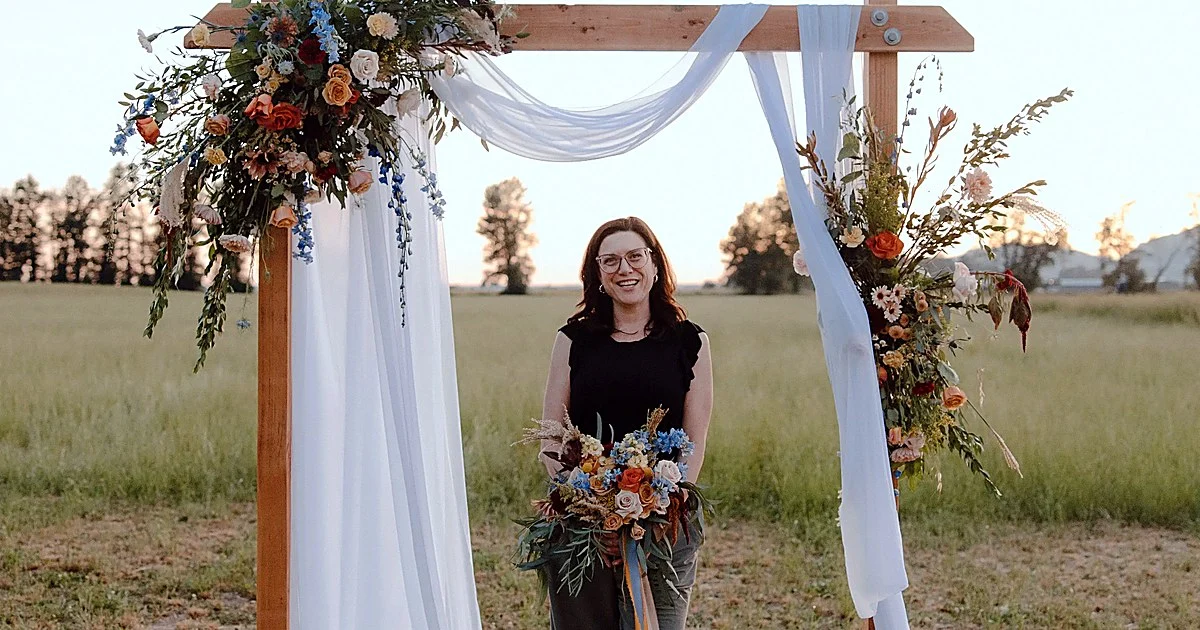
When guests walk into a beautifully decorated wedding venue, they’re greeted by elegant bouquets, romantic ceremony arches, and carefully styled centerpieces. What they don’t see is the planning, preparation, and creativity that made it all possible. Behind every stunning floral display is a skilled Floral Designer who has spent weeks, sometimes months, bringing a couple’s vision to life.
A wedding floral designer does far more than arrange flowers. They balance creativity with logistics, understand how different blooms perform throughout the day, and know how to design florals that complement the venue, season, and wedding style. Here’s a closer look at what happens behind the scenes and why working with a professional floral designer can make all the difference.
A Floral Designer Is Both an Artist and a Planner
A Floral Designer combines design expertise with project management. While creativity is at the heart of the job, every wedding also requires careful coordination, budgeting, sourcing, and timing.
The process usually begins with a consultation where couples share their vision, inspiration photos, color palette, venue details, and floral budget. From there, the designer develops a cohesive floral plan that ties every element of the wedding together, from the bridal bouquet to the reception tables.
Experienced designers also consider practical details that many couples don’t realize matter, such as flower longevity, venue lighting, transportation, and installation requirements.
Every Wedding Begins with a Thoughtful Floral Plan
No two weddings are exactly alike, which is why custom floral design starts long before flowers are ordered.
Professional floral designers evaluate several factors before recommending blooms, including:
- The wedding season
- Indoor or outdoor venue conditions
- Ceremony and reception layouts
- Wedding color palette
- Desired style, whether classic, garden-inspired, modern, or romantic
- Budget priorities
For example, a designer may recommend seasonal flowers that naturally bloom around the wedding date. Not only does this help create fresher arrangements, but it often offers better value while maintaining a luxurious appearance.
Understanding flower seasonality is an important part of professional floral design. Professional florists consider seasonal availability, flower quality, and local growing conditions to create long-lasting arrangements that suit each wedding’s style and budget.
Selecting Flowers That Look Beautiful All Day
One of the biggest differences between professional floral design and DIY arrangements is knowing how flowers perform throughout an event.
Some delicate blooms may wilt quickly in direct sunlight, while others remain fresh for hours, even during warm outdoor ceremonies. An experienced Floral Designer carefully selects flowers based not only on appearance but also on durability, fragrance, texture, and how they’ll photograph.
Designers also create balance by mixing focal flowers with supporting blooms and greenery to add depth and movement without overwhelming the overall design.
More Than Just Bouquets
Many people associate wedding florists with bridal bouquets, but a complete wedding floral design includes much more.
A floral designer may create:
- Bridal and bridesmaids’ bouquets
- Boutonnieres and corsages
- Ceremony arches
- Aisle arrangements
- Welcome sign florals
- Reception centerpieces
- Cake flowers
- Sweetheart table arrangements
- Hanging floral installations
- Floral accents for bars, seating charts, and lounges
Rather than designing each piece separately, every arrangement is created as part of one cohesive visual story.
Behind the Scenes Before Wedding Day
The most demanding work often happens before the wedding even begins.
Once flowers arrive, each stem is carefully inspected, trimmed, cleaned, and conditioned to maximize freshness. Flowers are hydrated, stored at appropriate temperatures, and prepared using professional techniques to ensure they remain beautiful throughout the event.
Many large installations are partially assembled in advance, while delicate bouquets and personal flowers are completed as close to the wedding day as possible for peak freshness.
This preparation can take many hours, especially for weddings featuring large floral installations or hundreds of individual arrangements.
Installation Takes Precision and Experience
Wedding morning starts early for most floral designers.
Flowers must be transported carefully to avoid damage, then installed according to a detailed timeline. Large ceremony pieces often require ladders, specialized mechanics, secure anchoring, and careful coordination with wedding planners and venue staff.
Experienced designers also leave time for final adjustments after every arrangement is in place. Lighting, furniture placement, and room layout sometimes require subtle design changes to achieve the intended look.
These behind-the-scenes adjustments are rarely noticed by guests—but they make a significant difference in the final presentation.
Why Hiring a Professional Floral Designer Matters
While DIY wedding flowers may seem like a way to reduce costs, many couples underestimate the time, tools, storage, transportation, and floral knowledge required.
A professional Floral Designer provides far more than beautiful arrangements. They offer:
- Expert flower selection
- Customized designs
- Reliable sourcing
- Professional installation
- Event-day coordination
- Creative problem-solving if unexpected challenges arise
Whether it’s replacing damaged blooms, adapting to weather conditions, or making last-minute venue adjustments, experienced floral designers know how to keep everything looking seamless.
While experience is important, working with someone who understands your local venues, seasonal flower availability, and regional wedding trends can make an even bigger difference. If you’re planning a celebration in British Columbia, learn more about why hiring a local wedding florist in Maple Ridge matters.
Questions to Ask Before Hiring a Floral Designer
Choosing the right floral designer is an important part of wedding planning. Before booking, consider asking:
- Have you designed weddings similar to ours?
- Which flowers will be in season on our wedding date?
- Can you customize designs to fit our budget?
- Do you handle delivery, setup, and post-event breakdown?
- Can we view examples of your previous wedding work?
These questions help ensure your florist understands your vision while giving you confidence in their experience and design approach.
Final Thoughts
Beautiful wedding flowers don’t happen by chance. Every bouquet, centerpiece, and ceremony installation reflects hours of planning, skilled craftsmanship, and thoughtful design.
A professional Floral Designer brings together creativity, technical knowledge, and careful coordination to create floral designs that enhance every part of your celebration. From selecting the right seasonal blooms to installing breathtaking floral displays on your wedding day, their work goes far beyond arranging flowers.
When you invest in an experienced floral designer, you’re investing in peace of mind, personalized service, and wedding florals that feel timeless, cohesive, and uniquely yours. It’s that behind-the-scenes expertise that transforms fresh flowers into unforgettable moments.